

Disney laid out its games strategy, and the throughline is youth. With franchises like Marvel Rivals pulling 40 million players (60% under 24) and a deepening Fortnite partnership with Epic, Disney is treating games as the first place Gen Z and Gen Alpha discover its characters.
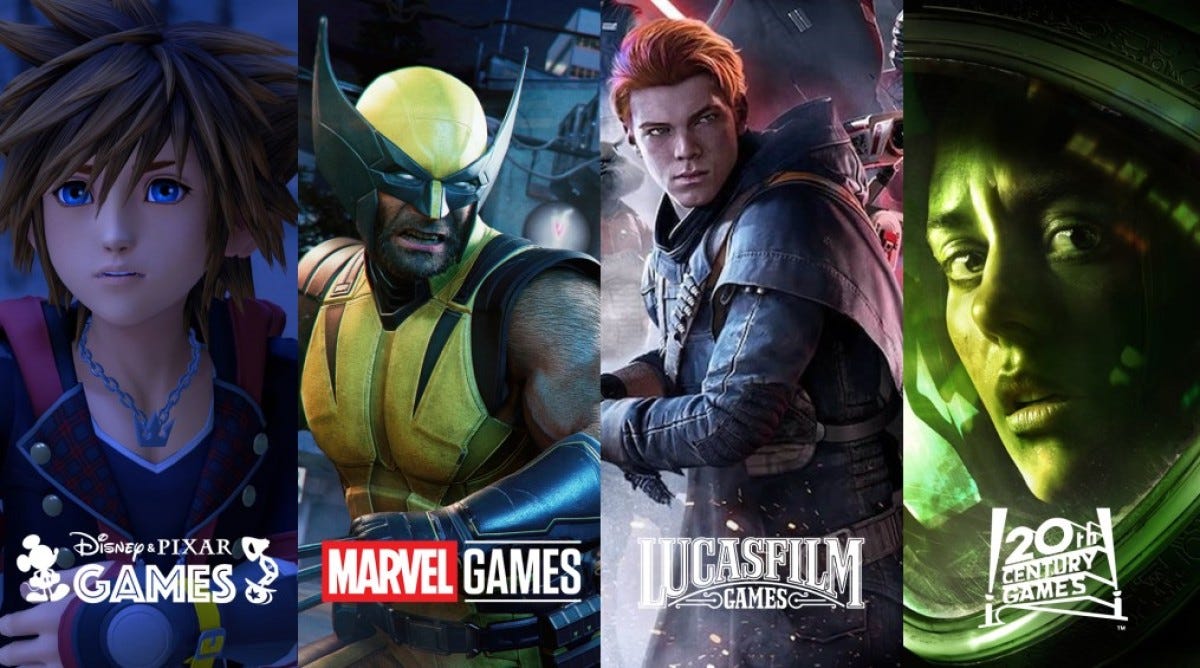
Disney has a plan for where the next generation of fans will meet Mickey, Marvel, and Star Wars, and it isn’t a movie theater. It’s a game.
In a press release, Disney laid out how it sees interactive entertainment, now part of the Disney Entertainment segment, as key to its future.
The pitch, from Global Games EVP Sean Shoptaw, is that games are increasingly “the first place audiences discover Disney’s characters and worlds.”
Disney is chasing young players where they already spend their time, and it’s using Epic Games and Fortnite to do it.
Disney games are pulling in a young audience
Marvel Rivals, the hero shooter, has attracted 40 million players worldwide and has 60% of players under 24. That’s not a coincidence, Disney is noting in passing. That’s the entire new plan in one stat.
Shoptaw is blunt about why games matter to Disney beyond the revenue. “These are platforms where Gen Z [and] Gen Alpha primarily are spending a lot of their time, hanging out with their friends,” he said. For younger players, he argues, games aren’t just entertainment; they’re where kids socialize, create, and express identity, and increasingly where they first bump into a Disney brand.
The engagement figures back up the reach. Marvel Rivals supports the largest Discord community in gaming at over 4.4 million members, and drove more than 285 million hours of Twitch viewing in 2025.
So when Disney says games are a discovery engine for new fans, it means young fans specifically. A kid who’s never sat through Fantasia might spend hundreds of hours as a Marvel character in a shooter. Disney has clearly decided that’s the new front door.
The Epic Games and Fortnite partnership is the big bet
The centerpiece of the whole strategy is Disney’s relationship with Epic, the company behind Fortnite.
Disney is working with Epic to build what it calls a “persistent entertainment universe” blending gaming, storytelling, and creator tools. In plain terms, Disney wants its characters and worlds living permanently inside Fortnite, one of the biggest social platforms on the planet.
“What Epic has built with Fortnite has really created one of the most important social entertainment platforms in the world,” Shoptaw said, adding that Disney sees “a ton of opportunity to bring our great characters, stories, and worlds into that universe.”
This isn’t hypothetical. Disney has already been feeding properties into Fortnite through Epic, bringing Star Wars stories to the game earlier this year and announcing that The Simpsons is coming to Fortnite for creators later in 2026. The Epic deal is the pipeline, and Disney is steadily pushing franchises through it.
Disney’s justification for the crossover approach is a stat about families: 84% say they enjoy seeing familiar characters move between games and video content. That’s Disney’s permission slip to put Star Wars in a battle royale and The Simpsons in a creator tool.
Disney games are already a multibillion-dollar business
None of this is a side hobby. Games are real money for Disney, and growing.
Working with licensee partners, Disney Games drove an estimated $3.5 billion in consumer spending annually for four straight years, then crossed $4 billion this past fiscal year. The portfolio includes nine franchises that have each grossed over $1 billion, among them Kingdom Hearts and Marvel Strike Force.
There’s more in the pipeline. Marvel’s Wolverine arrives in September, and Disney is building newer franchises like Marvel Tōkon: Fighting Souls. On mobile, the Disney and Pixar games portfolio, including Disney Solitaire, Tsum Tsum, and Magic Kingdoms, has passed 1 billion installs since 2014.
Shoptaw’s stated ambition is a single connected space where fans “play, watch, and create,” bringing all of Disney together in one universe.
What Disney’s games strategy really means
Disney’s classic flywheel, a movie leads to merchandise leads to a park visit, was built for how previous generations found Disney. But Gen Alpha isn’t necessarily starting with the movie. They’re starting with the game, or the Fortnite crossover, or the mobile app. Disney is reorganizing to meet them there, because a kid who becomes a Marvel fan through Rivals is a kid who might buy the tickets, the toys, and the park trip later.
When Disney says games are where the next generation will discover its stories, the quieter half of the sentence is that games are where the next generation of Disney customers gets made.
Whether all of this coheres into the “one connected universe” Shoptaw describes, or just stays a very profitable collection of games and Fortnite crossovers, is the open question. But the direction is unmistakable. Disney is going where the kids are, and right now, the kids are in the game.
Article compiled with the help of the Pirates & Princesses newsroom.
Pirates and Princesses is your destination for Disney news, theme park updates, and the pop culture you love. From Disney cruises and travel tips to Disney fashion, food, collectibles, and movie news, PNP covers it all. Visit us at piratesandprincesses.net for daily coverage. Follow PNP on Facebook and Instagram, and listen to the Pirates & Princesses podcast on Apple Podcasts and YouTube.
Hat Tips:
The Walt Disney Company (August 13, 2026), the official games strategy piece, the Sean Shoptaw quotes, the $4 billion and nine-billion-dollar-franchise figures, the Marvel Rivals player and age data, and the Epic Games partnership details