

An unnamed executive told The Ankler that TV has given up on young male viewers. Disney sold Power Rangers for $43 million in 2010, saying Marvel would cover the boys’ demo. Saban resold it for $522 million.
A former Disney Channel executive has a chart they cannot stop thinking about.
Speaking to The Ankler‘s Elaine Low, the executive described a top 10 list of the most popular shows among 6- to 11-year-olds from their time at the company. Alongside Jessie and Dog With a Blog sat Empire and The Walking Dead.
“Six-year-olds should not be watching The Walking Dead,” the executive said. “They shouldn’t be watching Squid Game.”
Who actually said it
The executive is not named and no longer works at Disney, having left roughly a decade ago. The Ankler describes them as a longtime family programming exec.
This is not a Disney statement, and Disney has not commented on any of it.
Their assessment of the industry, including their former employer, was blunt: “It feels like we’ve surrendered boys to video games, Marvel movies, Twitch and YouTube in particular, and they’re getting indoctrinated into toxic masculinity. That’s where all of these boys are going down the rabbit hole.”
They also placed the blame on programmers rather than parents. “There’s less for them. We’ve given up as an industry. They’re gravitating toward adult fare.”
The named expert in the piece
The Ankler’s more substantive framework comes from an academic willing to attach his name to it.
Kareem Edouard, Ph.D., is an assistant professor at the Drexel University School of Education and creative producer of PBS’ Work It Out Wombats!
“For many young men who are in these high-octane game spaces or in these Manosphere spaces, they’re not being given proper frameworks to learn how to build relationships and how to talk about and even express their feelings,” Edouard said.
The Ankler reports that nearly three-quarters of boys routinely encounter content from what it calls masculinity influencers.
What the research says boys actually want
The findings cut against the industry’s assumptions, per the reporting.
The Ankler’s research covers what boys want to see about themselves, about girls, and about men. Superheroes appear on that list. So do friendship, vulnerability, and lives that resemble their own.
The piece also identifies what it calls the missing middle, the programming gap that opens once kids age out of Bluey and before anything is built for them.
Two hit kids’ shows give boy characters a wider emotional range, per the reporting, and both still had to give them superpowers to get made.
Disney sold Power Rangers and said Marvel would cover it
Here is where Disney’s own track record with boy-facing programming becomes relevant, and the company said the quiet part out loud in 2010.
Disney acquired Power Rangers through its $5.2 billion purchase of Fox Family Worldwide in 2001. About $1.5 billion of that went to Haim Saban.
Disney produced seven seasons, then sold the franchise back to Saban on May 12, 2010, for a reported $43 million.
Disney spokesman Jonathan Friedland explained the reasoning to The Hollywood Reporter at the time. “It didn’t fit with the Disney brand. Moms didn’t like it.”
Reporting on the sale noted Disney had deemed the property too violent for its target audience of young boys, and that Disney’s recent Marvel acquisition gave it ample access to new action content for that demographic.
Disney had owned Marvel for five months and twelve days when it sold Power Rangers.
What Power Rangers was worth afterward
Saban Brands relaunched the franchise on Nickelodeon in 2011. In May 2018, Saban sold Power Rangers and related assets to Hasbro for $522 million in cash and stock.
That is roughly twelve times what Disney sold it for eight years earlier.
Power Rangers character meet-and-greets at Disney’s Hollywood Studios ended August 7, 2010.
Disney later circled back. A live-action Power Rangers series was in development at Disney+ with writers Jonathan E. Steinberg and Dan Shotz, reported in March 2025. Disney is no longer developing it.
What Disney has now
The company’s boy-facing portfolio is enormous and concentrated.
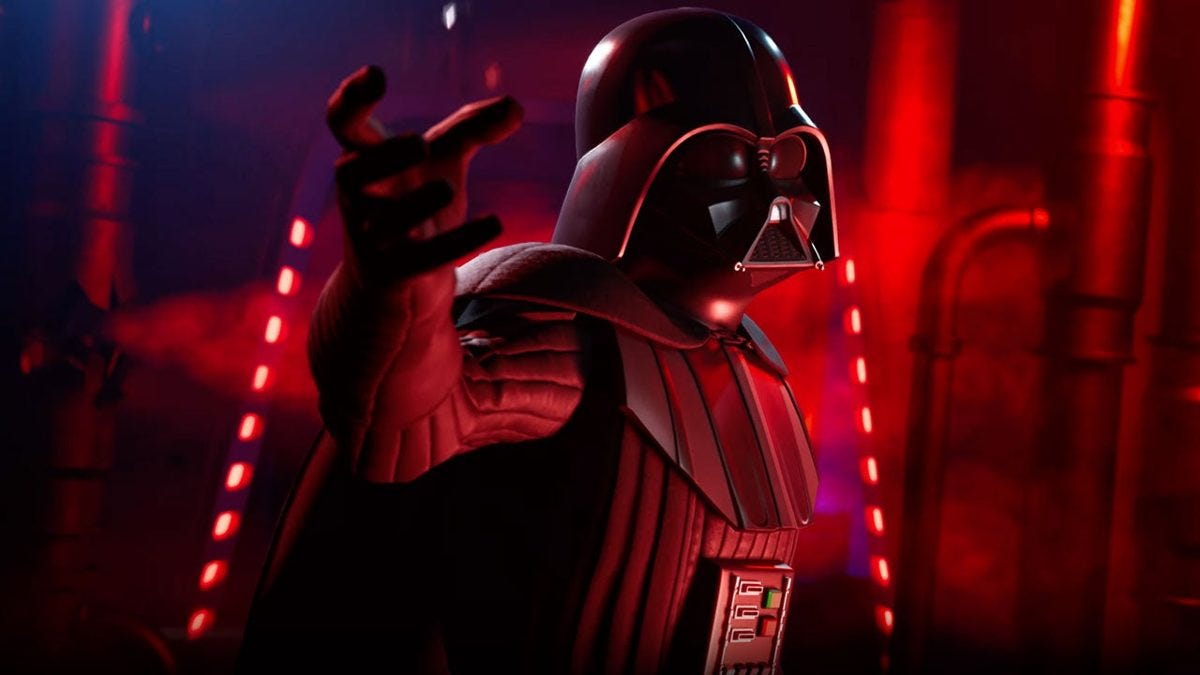
Marvel and Star Wars anchor it. Avengers: Doomsday arrives December 18. The X-Men film is dated for May 2028. Star Wars: The Mandalorian and Grogu reaches Disney+ on September 2 after finishing near $345 million theatrically, which CEO Josh D’Amaro acknowledged fell short of expectations.
Both franchises have taken criticism for oversaturation and diminishing returns, and both are considerably more expensive to produce than a syndicated action show aimed at nine-year-olds.
Which is roughly the gap the former executive is describing. The industry has plenty of content featuring men in costumes. What The Ankler’s reporting says boys are asking for is friendship, vulnerability, and lives that look like their own.
Nobody has figured out how to sell that without superpowers attached.
Article compiled with the help of the Pirates & Princesses newsroom.
Pirates and Princesses is your destination for Disney news, theme park updates, and the pop culture you love. From Disney cruises and travel tips to Disney fashion, food, collectibles, and movie news, PNP covers it all. Visit us at piratesandprincesses.net for daily coverage. Follow PNP on Facebook and Instagram, and listen to the Pirates & Princesses podcast on Apple Podcasts and YouTube.
Hat Tips:
The Ankler (August 24, 2026), Elaine Low’s reporting including the anonymous former Disney Channel executive’s quotes, Kareem Edouard’s comments, the Nielsen chart observations, and the research findings
The Hollywood Reporter (May 2010), Jonathan Friedland’s comments on the Power Rangers sale and the Marvel rationale
NBC News (May 2010), the Fox Family purchase figures and Friedland’s programming strategy quote
Wikipedia Saban Brands entry, the $43 million sale price and the $522 million Hasbro acquisition
Inside the Magic (May 2010), the Hollywood Studios meet-and-greet end date
For me, I feel like the takeaway here is about how something always fills a vacuum. If mainstream media stops giving boys compelling stories about what boyhood and friendship can look like, then they’ll simply find them somewhere else. I'm not sure what the solution is (short of Disney getting back in the game), but just abandoning that audience, and then being dismayed when they turn somewhere else, feels short-sighted!