

Rian Johnson, the director behind Star Wars: The Last Jedi, argues that the franchise thrives when creators take bold risks instead of playing it safe, a view that echoes the film’s lasting impact on fans.
Here’s the TL;DR...
Johnson’s Latest Take: He calls handling Star Wars with “kid gloves” the “worst sin,” pushing for changes that spark debate.
Echoes of the Past: Before The Last Jedi, Johnson expressed excitement over divisive reactions in a 2003 interview.
Backlash Legacy: The 2017 film split the fandom, with box office drops and ongoing fan rifts.
Star Wars’ Current State: Despite hits like Andor and Grogu’s popularity, the brand faces viewership dips and project cancellations in 2025.
What Exact Quote Did Rian Johnson Give About Shaking Up Star Wars?
In a recent Polygon interview, Rian Johnson laid out his philosophy on the franchise.
“Having grown up a Star Wars fan, I know that thing where something challenges it, and I know the recoil against that,” he said.
“I know how there can be infighting in the world of Star Wars. But I also know that the worst sin is to handle it with kid gloves. The worst sin is to be afraid of doing anything that shakes it up.”
“Because every Star Wars movie going back to Empire and onward shook the box and rattled fans, and got them angry, and got them fighting, and got them talking about it. And then for a lot of them, got them loving it and coming around on it eventually.”
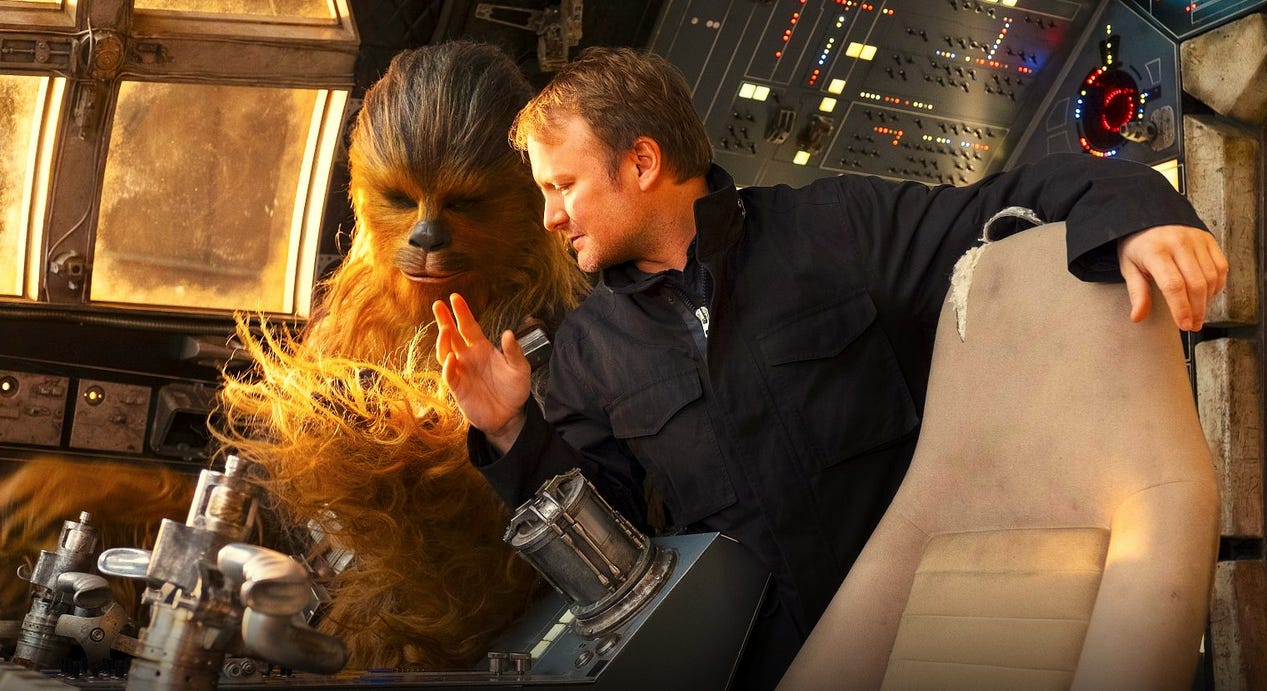
He tied this to themes in his new film Wake Up Dead Man, comparing Star Wars fandom to religious faith.
Johnson wasn’t surprised by pushback. He noted past entries like The Empire Strikes Back faced similar outcry before becoming beloved.
Did Rian Johnson Want to Divide Star Wars Fans Before The Last Jedi?
Years before tackling Episode VIII, Rian Johnson hinted at his preference for provocative work.
In a 2003 interview about his debut film Brick, he remarked:
“I would be worried if everybody across the board was like ‘yeah, it was a good movie.’ It’s much more exciting to me when you get a group of people who are coming up to you who really really hated it.”
This mindset surfaced again in discussions around The Last Jedi‘s release.
Fans often cite this quote to explain the film’s polarizing choices. It shows Johnson’s long-held view that uniform praise signals something bland.
How Did The Last Jedi Backlash Split the Star Wars Fandom?
The Last Jedi hit theaters in December 2017 and immediately fractured the community.
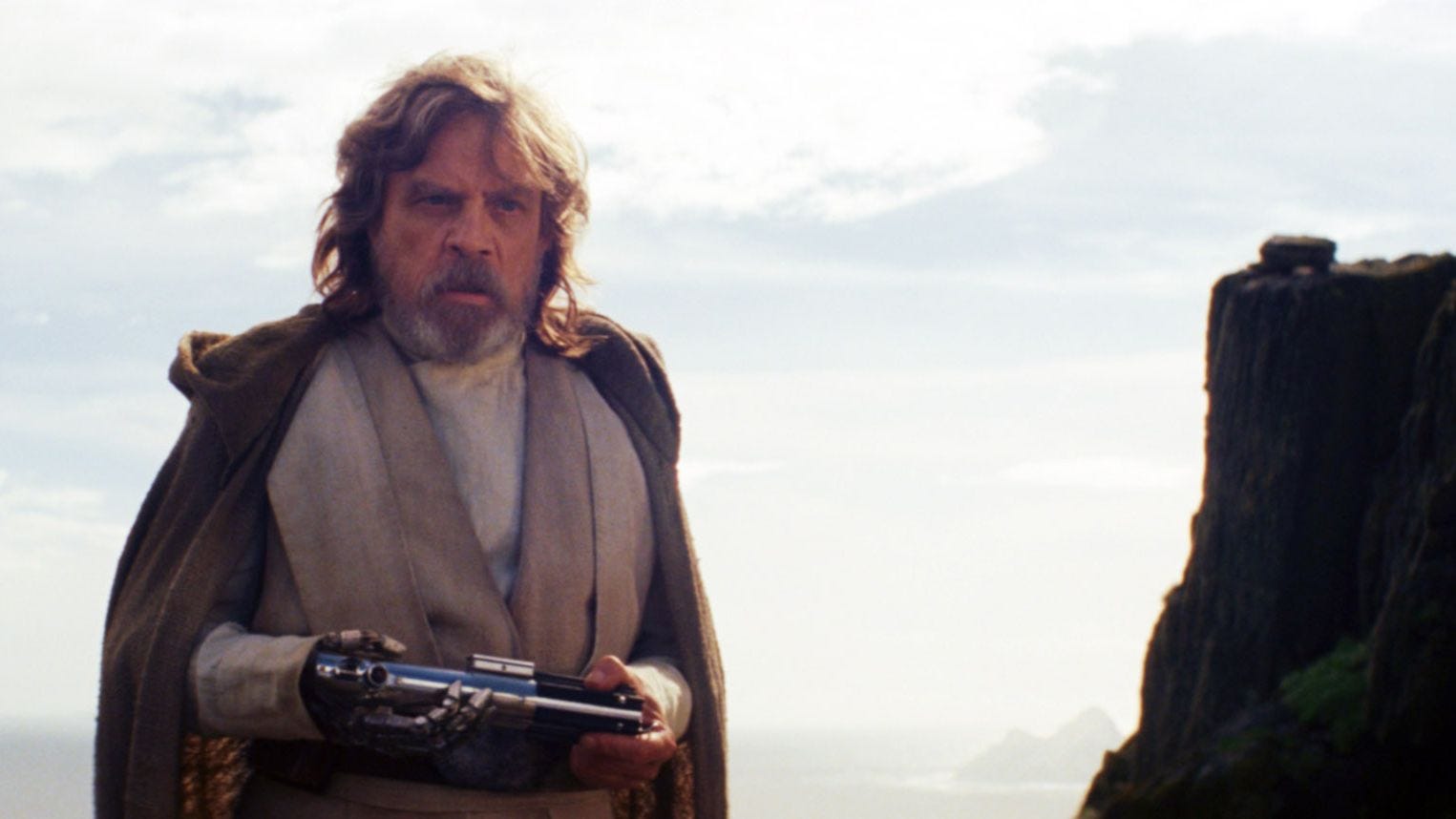
Critics praised its fresh takes on characters like Luke Skywalker, but many fans decried subverted expectations and perceived lore breaks.
Review aggregates highlighted the divide: 91% approval from critics on Rotten Tomatoes versus 42% from audiences.
Social media amplified the rift. Petitions called for remakes. The backlash lingered, influencing later projects.
Has Star Wars Declined as a Brand Since The Last Jedi?
Box office trends suggest a dip post-2017.
The Force Awakens grossed over $2 billion worldwide in 2015, but The Last Jedi earned $1.33 billion—a solid haul, yet it dropped 67% in its second weekend, far steeper than its predecessor’s 40%.
The Rise of Skywalker followed with $1.07 billion in 2019, signaling audience fatigue.
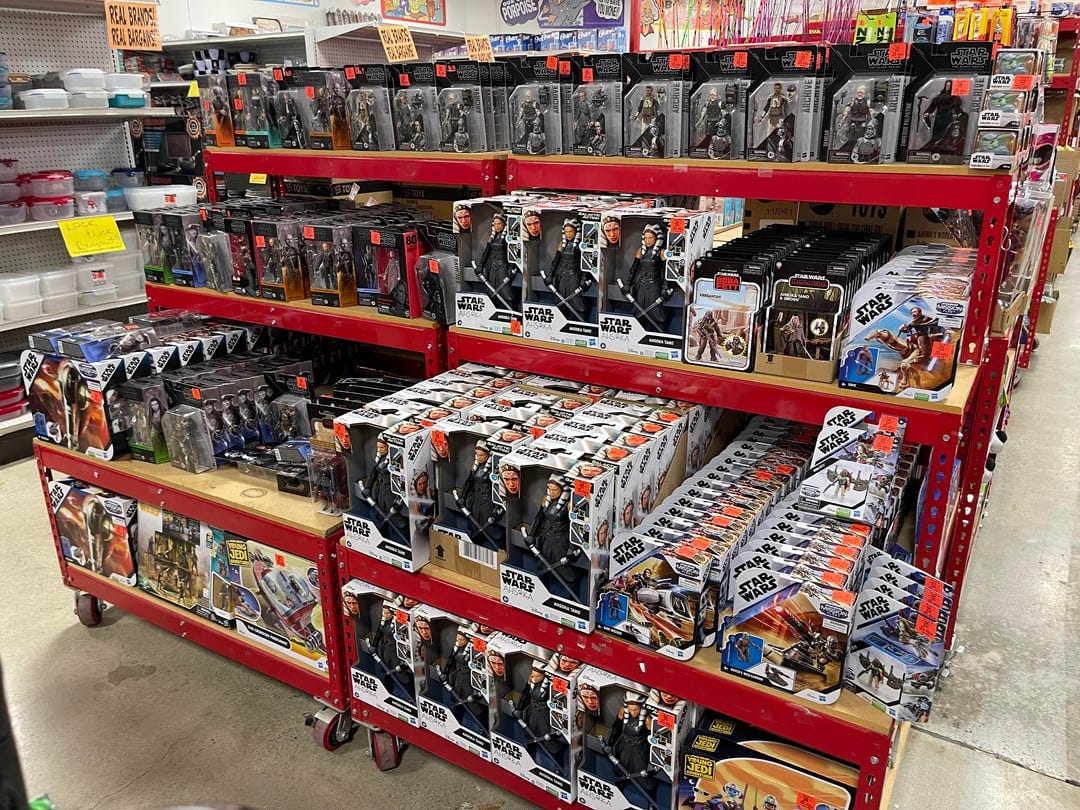
TV efforts show mixed results. The Mandalorian exploded in 2019 thanks to Grogu, boosting merchandise sales.
But series like The Acolyte faced low ratings and cancellation after one season in 2024, amid complaints of poor writing. Ahsoka saw a 30% viewership decline.
What Bright Spots Has Star Wars Seen Despite the Challenges?
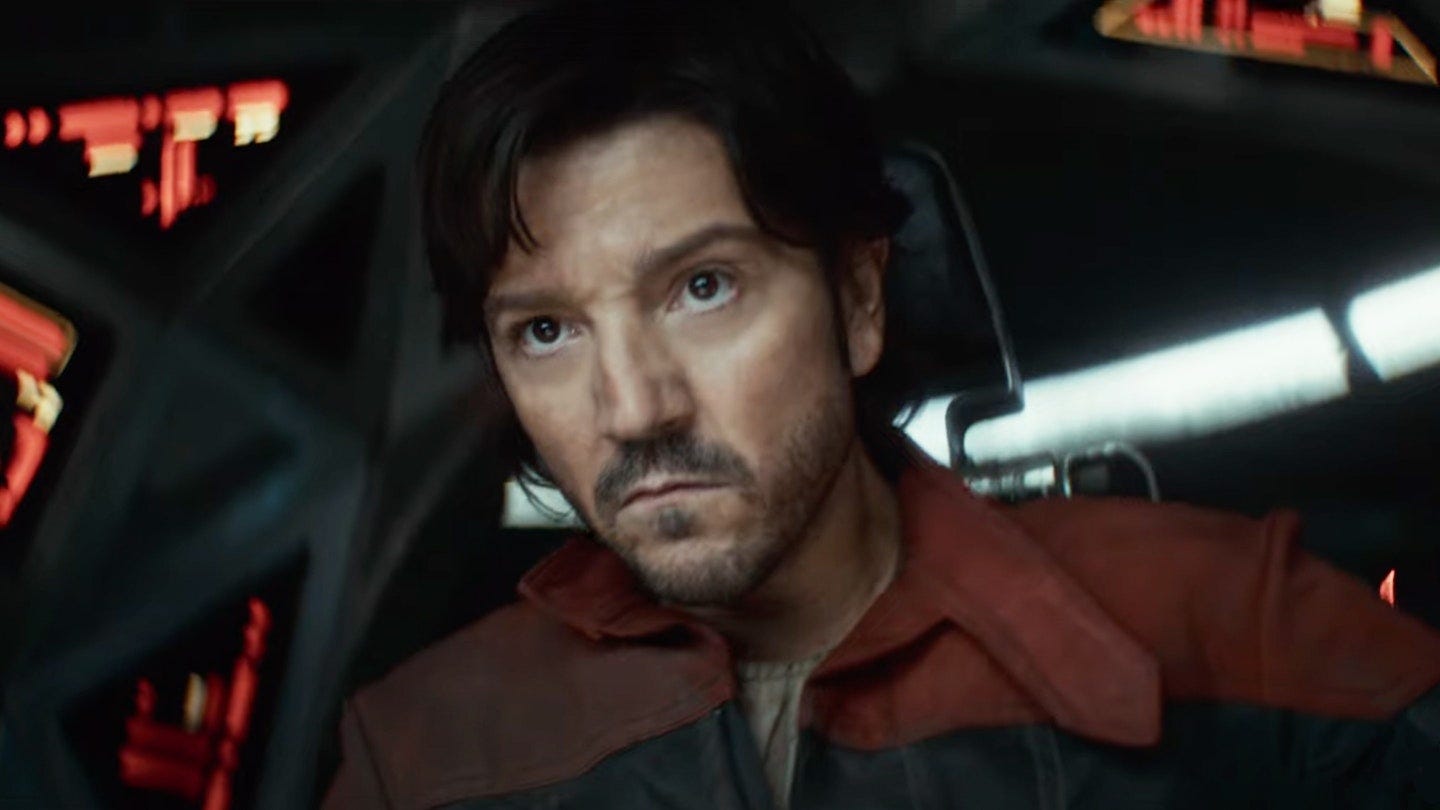
Critically, Andor stands out.
The 2022 series earned acclaim for its gritty tone, with Season 2 charting on Nielsen’s Top 10 into 2025.
Re-releases like Revenge of the Sith in May 2025 drew crowds, hinting at renewed theater interest.
Star Wars Celebration in April 2025 showcased upcoming projects, shifting sentiment toward optimism for a new era. Games like Outlaws provided highlights for some fans, but was a commercial flop.
Is the Star Wars Fandom Still Divided in 2025?
Fan reactions remain split.
While toxic elements persist, events like Celebration prove broader enthusiasm endures.
Overall sentiment leans mixed, with praise for innovative entries like Andor contrasting gripes over safer, less bold content.
Merch and viewership data point to a brand in transition. Disney’s slate for the next few years focuses on familiar ground, potentially addressing fatigue.
Johnson’s call to shake things up highlights a core tension in Star Wars: innovation keeps it alive, but alienating fans risks the galaxy’s future.
As the franchise navigates 2025 with fewer releases, creators might weigh his words—bold moves could reignite passion, or deepen divides.
Either way, the conversation continues, proving the saga’s enduring pull.
Hat Tips
Polygon, “Rian Johnson reveals the surprising connection between The Last Jedi and Wake Up Dead Man,” December 2025
ResetEra, “Rian Johnson in 2003: ‘I would be worried if everybody across the board was like yeah it was a good movie’,” January 13, 2019
The Hollywood Reporter, “Is Disney Bad at Star Wars?,” October 3, 2024
ScreenCrush, “Why ‘Star Wars: The Last Jedi’ Really Pissed Off Fans,” December 17, 2019
Pirates & Princesses, “Disney Destroyed the Star Wars Brand in Less Than a Decade,” August 21, 2025
Star Wars News Net, “Star Wars Mid-2025 Report Card: Andor Keeps Charting in the Ratings,” July 1, 2025
Business Insider, “Disney’s Star Wars Re-Release Hit Shows Fans Want More Movies,” May 3, 2025
CBR, “I’m Convinced Star Wars Celebration 2025 Finally Proved Fans Wrong,” April 23, 2025
Mashable, “Star Wars in 2025: Why It’s Gone Dark, When We’ll See More,” August 2, 2025
Article Compiled and Edited by Ivy Adams.
Rian Johnson is a flying piece of shit. He is a dumpster fire of leftist pig shit and his opinion doesn’t matter what he did to Star Wars is a akin to genocide. So the little Nazi round headed prick can fuck off.